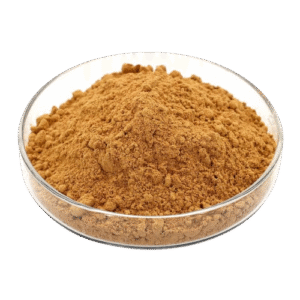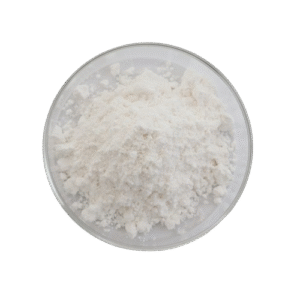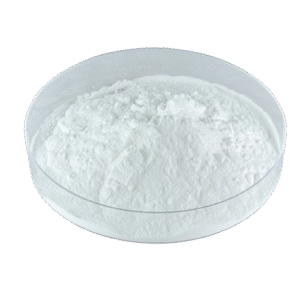
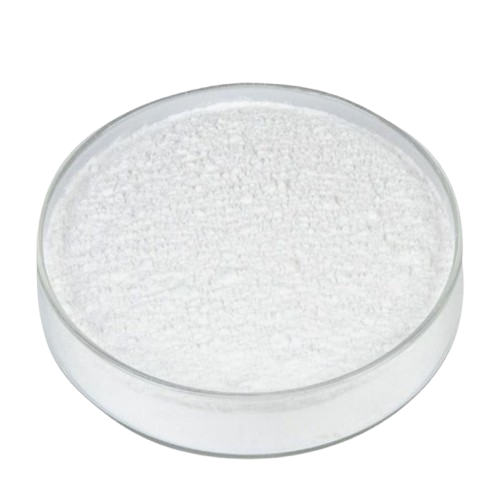
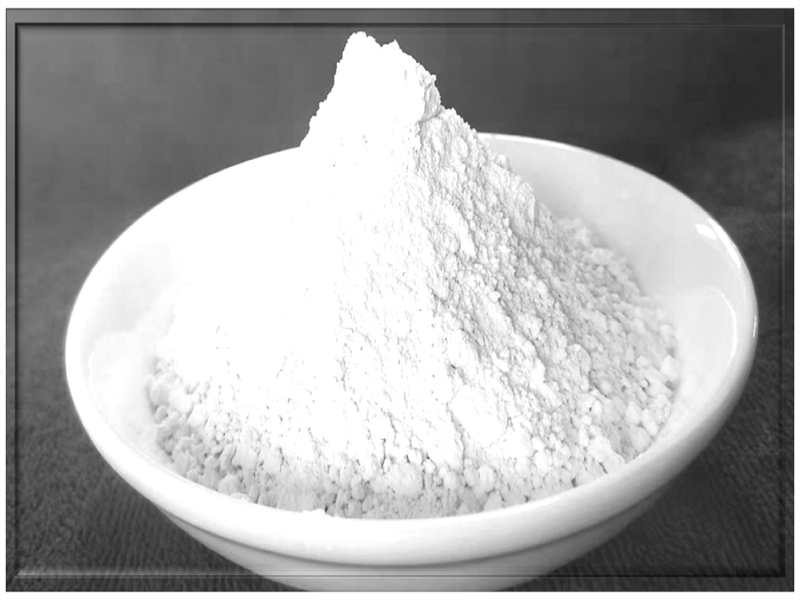
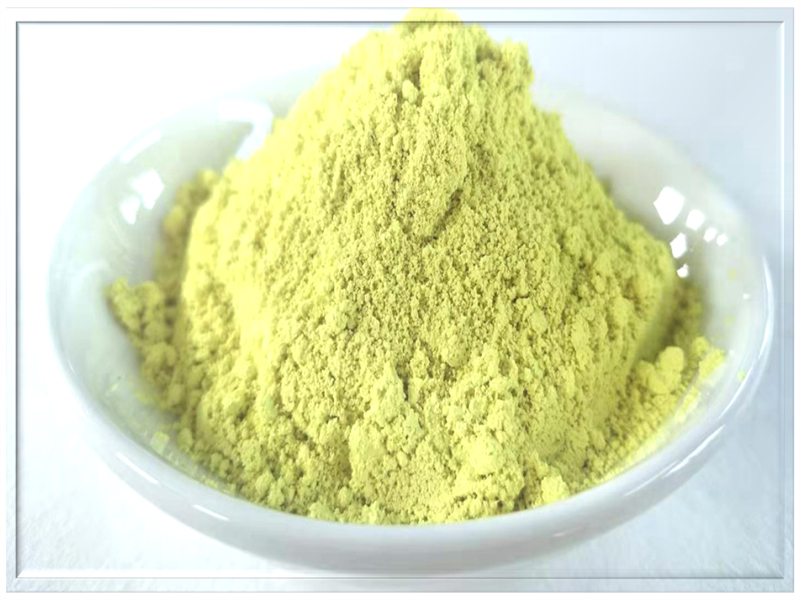
 Dihydromyricetin (DMY) and Myricetin are bioactive flavonoids primarily extracted from the leaves of Ampelopsis grossedentata (commonly known as Vine Tea or Tengcha), a plant traditionally consumed in Southern China for centuries. These compounds are isolated using advanced techniques like supercritical CO₂ extraction or ethanol-water systems, yielding high-purity white to off-white crystalline powders with a slight bitter taste. DMY (C15H12O8) and Myricetin (C15H10O8) represent key health-promoting constituents of Vine Tea, offering diverse biological activities.
1. Potent Antioxidant & Anti-Aging Effects
-
Free Radical Scavenging: DMY and Myricetin directly neutralize reactive oxygen species (ROS), lipid peroxides, and hydroxyl radicals, protecting cells from oxidative stress.
-
Anti-Lipid Peroxidation: Inhibit malondialdehyde (MDA) formation, reducing oxidative damage to lipids and proteins.
-
Cellular Protection: Enhance endogenous antioxidants (SOD, GSH-Px) and activate Nrf2 pathways, slowing aging processes.
-
Cosmetic Applications: Used in anti-aging skincare for brightening (tyrosinase inhibition), reducing wrinkles (collagen protection), and UV-radiation defense.
2. Neuroprotective & Cognitive Support
-
Blood-Brain Barrier Penetration: DMY modulates neurotransmitter systems (e.g., GABA receptors), alleviating anxiety and improving sleep quality.
-
Anti-Neuroinflammation: Suppresses TNF-α, IL-6, and NF-κB pathways, mitigating neuroinflammation linked to Alzheimer’s and Parkinson’s.
-
Cognitive Enhancement: Improves learning/memory in models of cognitive impairment by reducing amyloid-β toxicity and tau hyperphosphorylation.
3. Cardiovascular and Metabolic Health
-
Vasorelaxation: Promotes nitric oxide (NO) release, dilating blood vessels and improving microcirculation.
-
Lipid Regulation: Lowers LDL cholesterol and triglycerides while elevating HDL, preventing atherosclerosis.
-
Anti-Thrombotic: Inhibits platelet aggregation and PAF (platelet-activating factor), reducing thrombosis risk.
4. Hepatoprotective & Detoxification Effects
-
Liver Protection: DMY shields hepatocytes from alcohol-induced damage by enhancing alcohol dehydrogenase (ADH) activity and accelerating ethanol metabolism.
-
Anti-Fibrotic: Reduces hepatic steatosis and fibrosis via TGF-β1/Smad pathway modulation.
5. Anti-Diabetic and Anti-Obesity Activity
-
Insulin Sensitivity: Activates AMPK/PI3K/Akt signaling, improving glucose uptake and reducing insulin resistance.
-
Adipogenesis Inhibition: Suppresses PPARγ and C/EBPα expression, preventing fat accumulation.
6. Anti-Inflammatory and Immunomodulatory Actions
-
Cytokine Suppression: Downregulates COX-2, iNOS, and pro-inflammatory cytokines (e.g., IL-1β).
-
Immune Balance: Modulates T-cell differentiation and macrophage polarization.