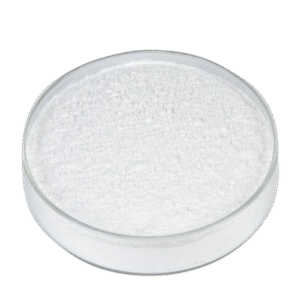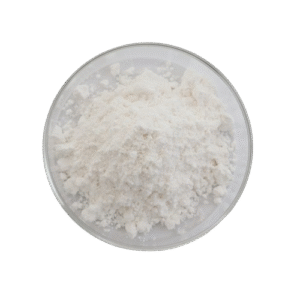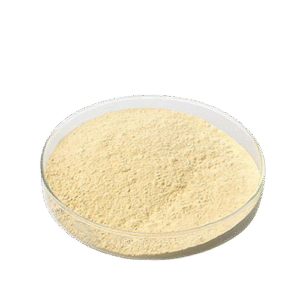
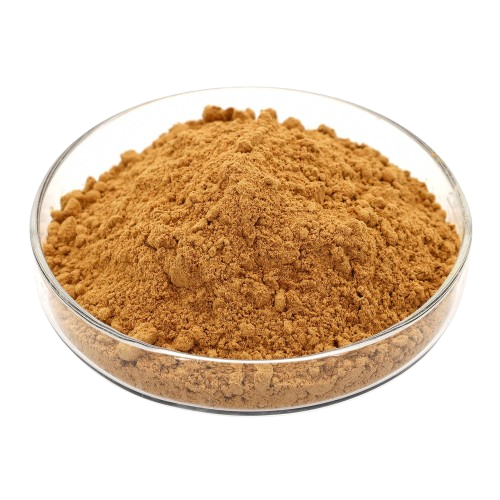
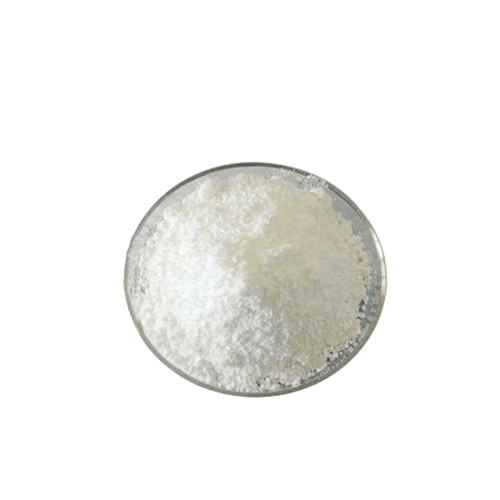
 Paeoniflorin (PF) is the principal bioactive monoterpene glycoside extracted from the roots of Paeonia lactiflora Pall. (White Peony), a plant revered in traditional Chinese medicine (TCM) for millennia. This compound represents the core active constituent of peony root extracts, contributing significantly to their therapeutic effects. PF is characterized by its distinct bitter taste and is typically isolated as a white crystalline powder.
PF is celebrated for its broad pharmacological properties, including anti-inflammatory, neuroprotective, immunomodulatory, hepatoprotective, and analgesic effects. Its multifaceted actions make it a cornerstone in TCM formulas targeting pain, inflammation, and neurological disorders. Modern research over recent decades has validated its potential benefits for conditions such as rheumatoid arthritis, neurodegenerative diseases, liver injury, depression, and cognitive dysfunction. Preliminary studies also suggest promise for alleviating colitis, neuropathic pain, and ischemia-reperfusion injuries.
-
Pharmaceuticals: Core component in TCM formulas (e.g., Shaoyao Gancao Tang) and modern drugs
 targeting arthritis, liver disease, neurodegenerative conditions, pain, and mental health disorders.
 -
Nutraceuticals & Functional Foods: Incorporated into supplements for joint health, cognitive support, stress relief, and liver detoxification.
-
Cosmetics (Emerging Potential):
-
Anti-Inflammatory & Soothing: Potential for calming irritated or sensitive skin (e.g., rosacea, eczema).
-
Antioxidant & Anti-Aging: Protects skin cells from oxidative stress and environmental damage.
-
Brightening: May inhibit melanogenesis, contributing to skin lightening effects.
-
 targeting arthritis, liver disease, neurodegenerative conditions, pain, and mental health disorders.