Basic Information
| Product Name | Polydatin |
|---|---|
| Synonym | Piceid |
| Latin Name | Polygonum cuspidatum Sieb. et Zucc. |
| CAS Number | 65914-17-2 |
| Part Used | Root |
| Origin | China |
| Trademark | JINGMU |
| HS Code | 2938909090 |
| Grade | Food Grade |
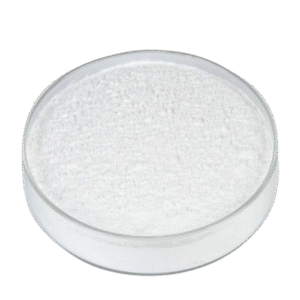
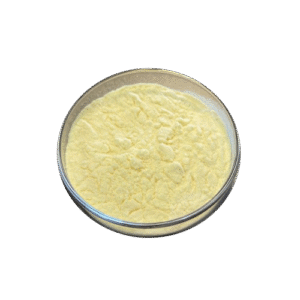
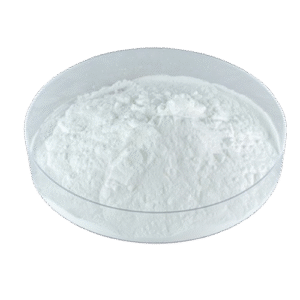
| Appearance | Off-White Powder |
| Specification | 98% |
| Solubility | Slightly soluble in water |
| Test Method | HPLC |
| Free Sample | 20g or 50g is avaliable |
| Production Capacity | 2 Tons/Month |
Description
98% Polydatin (also known as Piceid) is a highly purified natural stilbenoid glycoside, predominantly extracted from the root of Polygonum cuspidatum (Japanese Knotweed) and also found in grapes, red wine, and cocoa. This potent bioactive compound is processed using advanced techniques to achieve a minimum purity of 98%, resulting in a fine, white to off-white crystalline powder.
Function
Polydatin offers a wide range of scientifically supported health benefits due to its unique biological activities:
-
Potent Antioxidant & Anti-Aging Effects:
-
Exhibits significantly stronger free radical scavenging capabilities than its aglycone, resveratrol, due to its glycoside structure enhancing stability and bioavailability.
-
Directly neutralizes reactive oxygen species (ROS) like superoxide anions, hydroxyl radicals, and peroxynitrite.
-
Activates critical cellular defense pathways, including the Nrf2/ARE pathway, boosting the synthesis of endogenous antioxidant enzymes (SOD, CAT, GSH-Px).
-
Protects cells and tissues (including skin) from oxidative stress damage, slowing aging processes.
-
-
Anti-Inflammatory Effects:
-
Modulates key inflammatory signaling pathways (e.g., NF-κB, MAPK, NLRP3 inflammasome).
-
Reduces the production and release of pro-inflammatory cytokines (TNF-α, IL-1β, IL-6).
-
Inhibits enzymes like COX-2 involved in inflammation.
-
-
Cardiovascular Protection:
-
Improves endothelial function and promotes vasodilation.
-
Protects against atherosclerosis by reducing LDL oxidation and inhibiting vascular smooth muscle cell proliferation.
-
Exhibits anti-platelet aggregation activity.
-
May help regulate blood pressure and improve microcirculation.
-
-
Metabolic Health Support:
-
Enhances insulin sensitivity and glucose uptake via activation of the AMPK pathway.
-
Shows potential benefits for managing metabolic syndrome, type 2 diabetes, and non-alcoholic fatty liver disease (NAFLD).
-
May aid in healthy lipid metabolism.
-
-
Neuroprotective Effects:
-
Crosses the blood-brain barrier, offering direct protection to neurons.
-
Reduces neuroinflammation and oxidative stress in the brain.
-
May protect against neurodegenerative conditions and cognitive decline.
-
Shows potential in mitigating cerebral ischemia/reperfusion injury.
-
-
Liver Protection:
-
Strong hepatoprotective effects against toxin-induced damage (e.g., alcohol, acetaminophen, CCl4).
-
Reduces liver inflammation and fibrosis.
-
Promotes liver cell regeneration.
-
Application
Due to its diverse bioactivities and high purity, 98% Polydatin finds extensive applications in:
-
Pharmaceuticals: Used in formulations targeting cardiovascular diseases, metabolic disorders (diabetes, NAFLD), liver protection, neurodegenerative conditions, and inflammatory diseases.
-
Nutraceuticals & Dietary Supplements: Incorporated into supplements for antioxidant support, anti-aging, cardiovascular health, metabolic health, liver detoxification, and cognitive support.
-
Cosmeceuticals:
-
Anti-Aging: Powerful antioxidant combats photoaging and intrinsic aging, reducing wrinkles and improving skin firmness.
-
Brightening: Inhibits tyrosinase activity, helping to reduce hyperpigmentation and promote a more even skin tone.
-
Anti-Inflammatory: Calms irritated or sensitive skin (e.g., rosacea, acne).
-
UV Protection Support: Enhances skin’s defense against UV-induced oxidative damage (often used alongside sunscreens).
-
-
Functional Foods & Beverages: Added to products designed to offer antioxidant, anti-inflammatory, or metabolic health benefits.