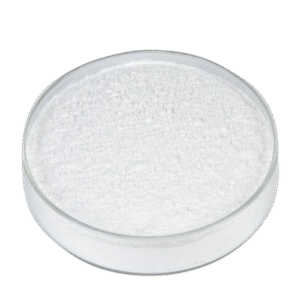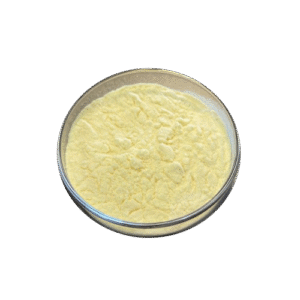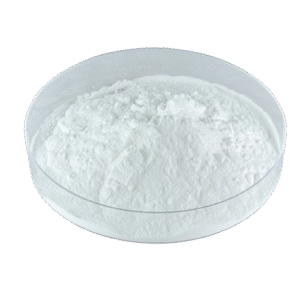


 Phlorizin and Phloretin are key bioactive compounds naturally abundant in the roots, bark, and leaves of the apple tree (Malus domestica). Phlorizin serves as the primary precursor, which is metabolized in vivo into its active aglycone form, Phloretin. These compounds are extracted using solvents like ethanol or water, yielding a light tan to white crystalline powder with slight solubility in water. Renowned for their roles in glucose metabolism and antioxidant activity, they are increasingly utilized in pharmaceuticals, nutraceuticals, functional foods, and cosmetics.
Over the past two decades, research highlights Phlorizin and Phloretin’s potential in managing metabolic disorders like type 2 diabetes, obesity, and insulin resistance. Preliminary studies also suggest benefits for skin health, neurodegenerative conditions, and cardiovascular protection.
-
Skin Brightening & Anti-Hyperpigmentation: Phloretin is a powerful inhibitor of tyrosinase, the key
 enzyme in melanin production. This makes it highly effective in reducing dark spots and promoting an even skin tone.
 -
Anti-Aging & Antioxidant Protection: Its exceptional ability to neutralize free radicals protects skin cells from UV-induced damage and environmental stressors, preventing collagen degradation and reducing wrinkles.
-
Anti-Inflammatory & Soothing: Helps calm irritated skin and reduce redness associated with conditions like acne or rosacea.
-
Enhanced Penetration: Phloretin can improve the skin penetration of other beneficial active ingredients.
 enzyme in melanin production. This makes it highly effective in reducing dark spots and promoting an even skin tone.