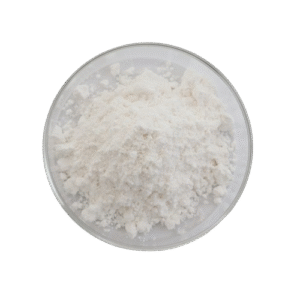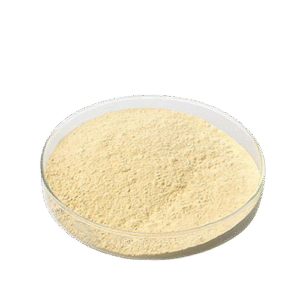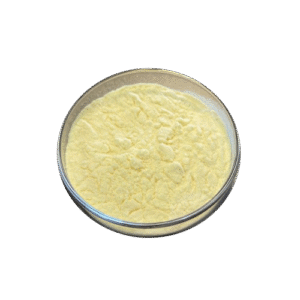


 98% Polydatin (also known as Piceid) is a highly purified natural stilbenoid glycoside, predominantly extracted from the root of Polygonum cuspidatum (Japanese Knotweed) and also found in grapes, red wine, and cocoa. This potent bioactive compound is processed using advanced techniques to achieve a minimum purity of 98%, resulting in a fine, white to off-white crystalline powder.
 Due to its diverse bioactivities and high purity, 98% Polydatin finds extensive applications in:
-
Pharmaceuticals: Used in formulations targeting cardiovascular diseases, metabolic disorders (diabetes, NAFLD), liver protection, neurodegenerative conditions, and inflammatory diseases.
-
Nutraceuticals & Dietary Supplements: Incorporated into supplements for antioxidant support, anti-aging, cardiovascular health, metabolic health, liver detoxification, and cognitive support.
-
Cosmeceuticals:
-
Anti-Aging: Powerful antioxidant combats photoaging and intrinsic aging, reducing wrinkles and improving skin firmness.
-
Brightening: Inhibits tyrosinase activity, helping to reduce hyperpigmentation and promote a more even skin tone.
-
Anti-Inflammatory: Calms irritated or sensitive skin (e.g., rosacea, acne).
-
UV Protection Support: Enhances skin’s defense against UV-induced oxidative damage (often used alongside sunscreens).
-
-
Functional Foods & Beverages: Added to products designed to offer antioxidant, anti-inflammatory, or metabolic health benefits.