
 Tongkat Ali extract, scientifically known as Eurycoma longifolia, has been revered for centuries in Southeast Asian traditional medicine. Modern research now validates its bioactive compound, eurycomanone, as the cornerstone of its therapeutic properties, constituting 1%-3% of the root’s total quassinoid content. This unique phytochemical exhibits a molecular structure that enables unparalleled interaction with human hormonal and metabolic systems, setting it apart from conventional herbal extracts. Tongkat Ali extract, scientifically known as Eurycoma longifolia, has been revered for centuries in Southeast Asian traditional medicine. Modern research now validates its bioactive compound, eurycomanone, as the cornerstone of its therapeutic properties, constituting 1%-3% of the root’s total quassinoid content. This unique phytochemical exhibits a molecular structure that enables unparalleled interaction with human hormonal and metabolic systems, setting it apart from conventional herbal extracts.
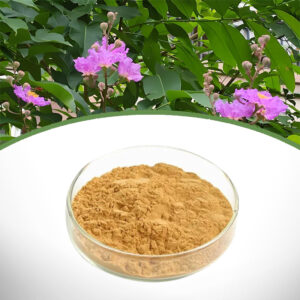
Derived from the slow-grown roots of mature Tongkat Ali plants, eurycomanone is a water-soluble compound with clinically proven adaptogenic properties. Its mechanism of action includes modulating cortisol levels, enhancing testosterone production, and optimizing cellular energy pathways. Studies reveal that standardized Tongkat Ali extract demonstrates 200%-300% greater bioavailability compared to crude root preparations, making it a potent solution for modern health challenges. Available in purity grades of 50%, 100:1, or standardized to 22% eurycomanone content, this golden-brown powder retains the plant’s full-spectrum benefits while maintaining exceptional solubility. Its neutral flavor profile allows seamless integration into functional foods, nutraceuticals, and even luxury skincare formulations without altering sensory characteristics. |
 As a cross-industry game-changer, Tongkat Ali extract serves as:
- Nutraceutical Powerhouse
- Core ingredient in testosterone boosters, pre-workout stacks, and anti-aging supplements
- Key component in stress-relief formulations and metabolic health capsules
- Functional Food Innovation
- Energy bars with natural ergogenic properties
- Adaptogenic coffee/tea blends for cognitive enhancement
- Protein shakes with muscle recovery benefits
- Dermocosmic Breakthrough
- Anti-aging serums leveraging its collagen-stimulating effects
- Scalp treatments for androgenetic alopecia management
- Topical creams for inflammation reduction
- Pharmaceutical Adjuvant
- Complementary therapy for diabetes management
- Adjuvant in cancer treatment protocols
- Fertility enhancement formulations
- Veterinary Applications
- Performance enhancer in equine supplements
- Libido support for breeding programs
From sports nutrition to luxury wellness products, this extract’s versatility meets growing consumer demand for evidence-based, multi-action botanicals. Its GRAS status and clean-label appeal position it as the next frontier in holistic health innovation.